

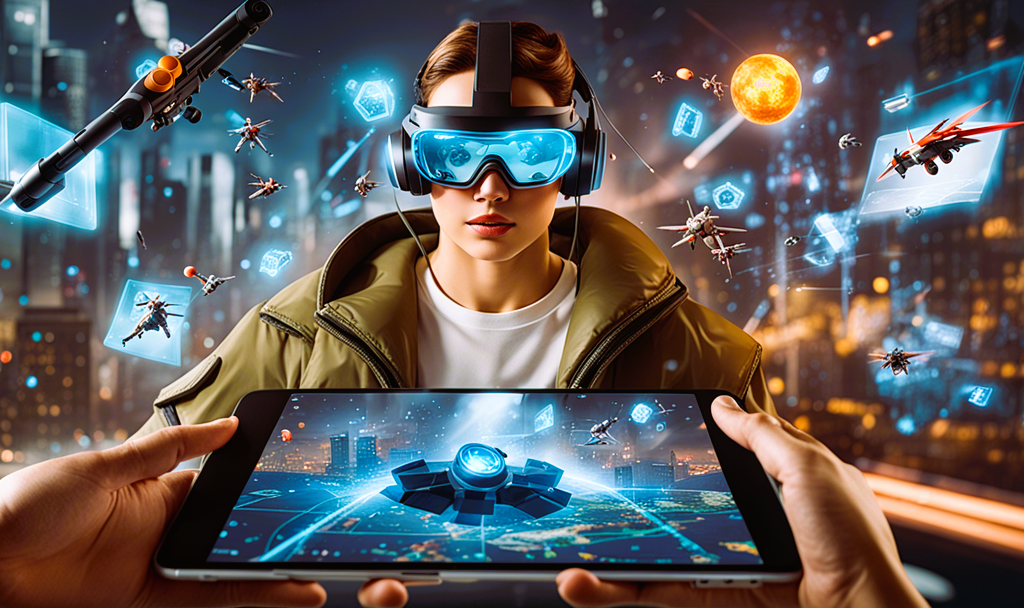
In recent years, the gaming landscape has undergone a remarkable transformation, with the emergence of augmented reality (AR) games taking center stage. These games blend the virtual world with the real environment, creating immersive experiences that engage players in unprecedented ways. This article explores the concept of augmented reality games, their benefits, challenges, and what the future holds for interactive play.
What is Augmented Reality?
Augmented reality is a technology that overlays digital information, such as images, sounds, and other sensory enhancements, onto the real world. Unlike virtual reality (VR), which creates a completely immersive digital environment, AR enhances the real world with virtual elements, allowing players to interact with both simultaneously. AR has gained traction across various industries, including education, healthcare, and marketing, but its most significant impact has been seen in gaming.
The Rise of Augmented Reality Games
The popularity of augmented reality games skyrocketed with the launch of Pokémon GO in 2016. This groundbreaking game allowed players to catch virtual Pokémon in real-world locations, prompting millions to explore their surroundings. The game’s success demonstrated the potential of AR to create engaging and interactive experiences that bridge the gap between the digital and physical worlds.
Following Pokémon GO, numerous AR games have emerged, each offering unique gameplay mechanics and experiences. Titles like Harry Potter: Wizards Unite and Ingress further expanded the genre, showcasing how AR can enhance storytelling and social interaction in gaming. These games encourage players to venture outdoors, fostering a sense of community and connection among players.
Benefits of Augmented Reality Games
1. Enhanced Engagement
One of the primary advantages of AR games is their ability to engage players in ways traditional games cannot. By incorporating real-world elements, players feel more connected to the game, resulting in deeper immersion and involvement. This level of engagement can lead to longer play sessions and increased player satisfaction.
2. Physical Activity
Augmented reality games promote physical activity by encouraging players to explore their environments. Games like Pokémon GO require players to walk, run, and engage in outdoor activities to progress, contributing to a healthier lifestyle. This aspect of AR gaming has been particularly appealing to those looking to combine fun and fitness.
3. Social Interaction
AR games foster social interaction by encouraging players to collaborate and compete with others in their vicinity. Many AR games include features that allow players to join teams, participate in events, and share experiences in real-time. This social aspect enhances the gaming experience and builds communities around shared interests.
4. Educational Opportunities
Augmented reality games have the potential to provide educational benefits. By integrating real-world locations and historical information, AR games can create immersive learning experiences. For instance, games that explore local history or environmental awareness can educate players while entertaining them.
Challenges of Augmented Reality Games

While augmented reality games offer exciting possibilities, they also come with challenges that developers and players must navigate.
1. Technical Limitations
Creating seamless AR experiences requires advanced technology, including powerful mobile devices and reliable GPS. Technical limitations can hinder gameplay, leading to frustration for players. Developers must continually innovate to overcome these challenges and provide smooth, enjoyable experiences.
2. Safety Concerns
The immersive nature of AR games can lead to safety concerns. Players may become so engrossed in their devices that they fail to pay attention to their surroundings, potentially putting themselves at risk. Developers and players alike must prioritize safety by encouraging awareness of one’s environment while gaming. We’ve put together a complete guide to the best apps for learning new languages.
3. Privacy Issues
As AR games often rely on location data, concerns about privacy and data security have emerged. Players may be hesitant to share their location information, fearing misuse or unwanted attention. Developers must implement robust security measures to protect players’ data and ensure a safe gaming experience.
Augmented reality games represent the future of interactive play, offering players unique and engaging experiences that blend the digital and physical worlds. As technology continues to evolve, the possibilities for AR gaming are boundless. By overcoming challenges and leveraging advancements, developers can create experiences that not only entertain but also educate and inspire players.
For more detailed information on augmented reality, you can visit Wikipedia for comprehensive articles and resources.
The world of augmented reality games is still in its infancy, and as players, we can look forward to exciting developments that will redefine how we interact with games and the world around us. Embrace the future of gaming—where reality meets imagination.