

In our increasingly interconnected world, the ability to speak multiple languages is more than just a valuable skill; it’s an essential tool for personal and professional growth. With advancements in technology, learning a new language has never been easier or more accessible. Language-learning apps have become a popular choice for people of all ages, providing interactive and engaging ways to acquire new linguistic skills. In this guide, we will explore some of the best language-learning apps available today, discussing their features, benefits, and how they can help you on your journey to becoming multilingual.
The Rise of Language-Learning Apps
Language-learning apps have transformed the way we approach learning new languages. Gone are the days of tedious textbooks and monotonous grammar drills. Today, apps like Duolingo, Babbel, and Rosetta Stone offer dynamic and immersive experiences that cater to various learning styles. These apps utilize gamification, interactive exercises, and real-life scenarios to make learning engaging and effective.
Key Features to Look for in Language-Learning Apps
When choosing a language-learning app, consider the following key features:
- User-Friendly Interface: A clean and intuitive design enhances the learning experience, making it easy to navigate through lessons and exercises.
- Variety of Content: Look for apps that offer a range of materials, including vocabulary, grammar, pronunciation, and cultural insights. This diversity helps create a well-rounded learning experience.
- Interactive Exercises: Engaging activities like quizzes, games, and speaking exercises can make learning fun and help reinforce your knowledge.
- Progress Tracking: Many apps offer features that track your progress, allowing you to set goals and monitor your achievements over time.
- Community Support: Some apps provide access to language exchange communities where learners can connect with native speakers, practice their skills, and gain valuable insights into the language.
Top Language-Learning Apps
1. Duolingo
Duolingo is perhaps the most well-known language-learning app, and for good reason. With its gamified approach, Duolingo makes learning fun and engaging. The app offers courses in over 30 languages, ranging from popular choices like Spanish and French to less common options like Hawaiian and Swahili.
Key Features:
- Gamification: Earn points and rewards as you complete lessons and practice regularly.
- Variety of Exercises: Includes listening, speaking, reading, and writing exercises to develop all aspects of language proficiency.
- Progress Tracking: Users can see their progress and set daily goals.
Why It’s Great: Duolingo’s user-friendly interface and engaging content make it perfect for learners of all ages, whether you’re starting from scratch or looking to brush up on your skills. Did you like the article? Read also about the 10 best free games for Android.
2. Babbel
Babbel is another popular language-learning app that focuses on real-life conversational skills. With a strong emphasis on practical vocabulary and phrases, Babbel helps learners become conversationally fluent in their target language.
Key Features:
- Real-Life Dialogues: Lessons are designed around real-life conversations to help learners navigate everyday situations.
- Speech Recognition: The app includes voice recognition technology to help users improve their pronunciation.
- Cultural Insights: Babbel incorporates cultural information into its lessons, enhancing learners’ understanding of the language context.
Why It’s Great: Babbel’s focus on practical language skills makes it ideal for learners who want to communicate effectively in real-world situations.
3. Rosetta Stone
Rosetta Stone has been a leader in language learning for decades, and its app brings the immersive experience of its software to mobile devices. The app emphasizes natural language acquisition, encouraging learners to think and respond in the target language.
Key Features:
- Immersive Learning: Lessons are conducted entirely in the target language, promoting intuitive learning.
- Speech Recognition: Advanced speech recognition technology helps users improve their pronunciation and speaking skills.
- Live Tutoring: Subscribers can access live tutoring sessions with native speakers for personalized practice.
Why It’s Great: Rosetta Stone is perfect for learners who thrive in immersive environments and want to develop their language skills intuitively.
4. Busuu
Busuu is a social language-learning app that combines structured lessons with community engagement. Users can interact with native speakers, receive feedback on their exercises, and practice speaking through conversation exchange.
Key Features:
- Language Exchange: Connect with native speakers for practice and receive feedback on your writing and speaking.
- Structured Courses: Busuu offers courses tailored to different levels, from beginner to advanced.
- Personalized Study Plans: Users can set goals and create study plans based on their interests and learning pace.
Why It’s Great: Busuu’s emphasis on community and interaction makes it a great choice for learners looking to practice with real people and receive constructive feedback.
5. Memrise
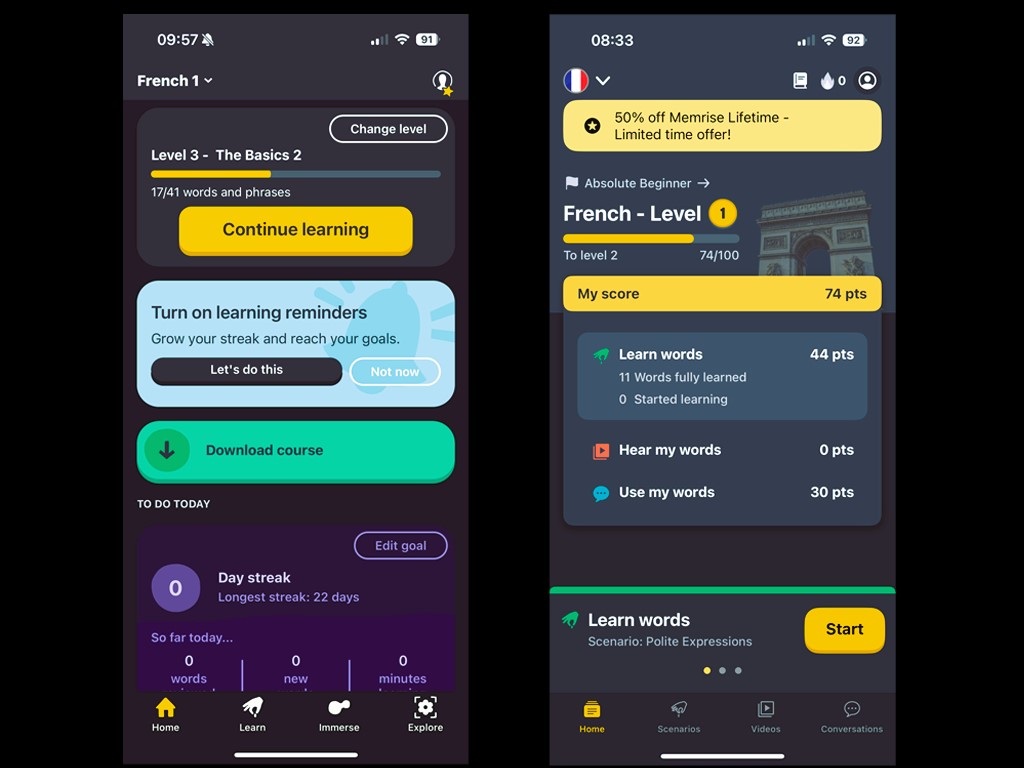
Memrise uses spaced repetition and mnemonic techniques to help learners retain vocabulary and phrases effectively. The app features a variety of engaging content, including videos of native speakers, to enhance the learning experience.
Key Features:
- Spaced Repetition: Helps reinforce vocabulary retention by revisiting words at strategic intervals.
- Real-Life Videos: Watch native speakers using the language in real-world contexts.
- Community-Created Courses: Users can access a wide range of user-generated content for additional practice.
Why It’s Great: Memrise is perfect for learners who want to build their vocabulary quickly while also getting exposure to authentic language use.
Language-learning apps have revolutionized the way we acquire new languages, making the process more accessible and engaging than ever before. With a plethora of options available, learners can find an app that suits their individual needs and learning style. Whether you choose Duolingo for its gamification, Babbel for its practical focus, or Busuu for its community engagement, these apps can help you embark on your journey to becoming a multilingual individual.
For further information about language learning and its various methods, you can visit Wikipedia.
Embrace the world of languages, and start your journey today with one of these fantastic apps that can transform your language-learning experience. With dedication and the right tools, you’ll be well on your way to mastering a new language and opening up a world of opportunities.